← All Work

01 — Brand Marketing

Building brands
that mean something.

A storytelling brand built end-to-end from philosophy to website. A mobile game launch that hit 892K organic views. A B2B SaaS first-call deck built for a TD SYNNEX channel partner program. Three industries, one process.

Case Study 01 Passion Project Brand Identity Content Strategy

Yogic Monkey

A storytelling brand built to bring India's untold histories, myths, and spiritual wisdom to modern audiences.

The Why

India has 5,000+ years of mythology, history, and oral tradition — and most of it hasn't made it to the internet. The average Indian user spends 6+ hours online daily, nearly half on social video. Spiritual tourism revenue nearly doubled in 2022. The demand for culturally rooted content is real and growing.

The gap: existing channels either teach without emotion or entertain without rigour. Nobody was telling the stories between the lines — the lesser-known deities, the forgotten subplots, the myths that still echo in daily life. That's the white space Yogic Monkey is built for.

The strategy document below covers everything from brand philosophy and audience persona to visual identity, content pillars, competitor positioning, and a 6-month growth roadmap.

My Role — Everything

Brand Philosophy & Positioning Audience Persona Competitor Analysis Visual Identity Content Pillars & Architecture Website AI Video Production Growth Roadmap

The Build Order

This is how I approach every brand build — and Yogic Monkey is the proof of concept.

Phase 1 ✓ Brand strategy document — mission, vision, USP, audience, competitors, visual language, content pillars, growth roadmap.

Phase 2 ✓ Website + written content to establish organic presence before distribution.

Phase 3 → Video content (AI-produced), social distribution, community-building, and eventually paid amplification.

Brand Strategy & Identity Document

The full brand foundation — philosophy, mission, vision, audience persona, competitive landscape, visual identity, content direction, implementation plan, and 6-month growth roadmap.

↗ Open in new tab

The Website

yogicmonkey.com — live

Case Study 02 Mobile Gaming Video Production GTM

A Cooking Game Launch

In-house video production for a mobile simulation game's market entry — from pre-launch teaser strategy to a celebrity-led brand campaign.

The Challenge

Saturated genre, similar target audience as Cooking Diary, Restaurant Story, and a dozen others. The brief: launch a trailer that communicated the full depth of a restaurant business simulation — not just cooking, but building, expanding, competing — in under 90 seconds. No agency. Entirely in-house.

I owned the creative from concept to delivery: pitched the creative direction, built frame-by-frame storyboards in Canva (and on paper), wrote the script, and coordinated execution with the design team. Pre-AI — every frame was manual.

My Role

Creative Concept Frame-by-Frame Storyboard Script Creative Direction Designer Coordination GTM Strategy

Worth Noting

This was pre-AI era — no generative tools, no shortcuts. Every frame storyboarded by hand (and in Canva), every asset coordinated manually with the design team. The result speaks for itself.

Asset 01 — Game Promo Trailer

The Official Launch Trailer

The first real look at the game — equivalent to a movie trailer. Designed to communicate the full experience of owning a restaurant business in under 90 seconds, timed as the first major milestone in the pre-launch GTM calendar.
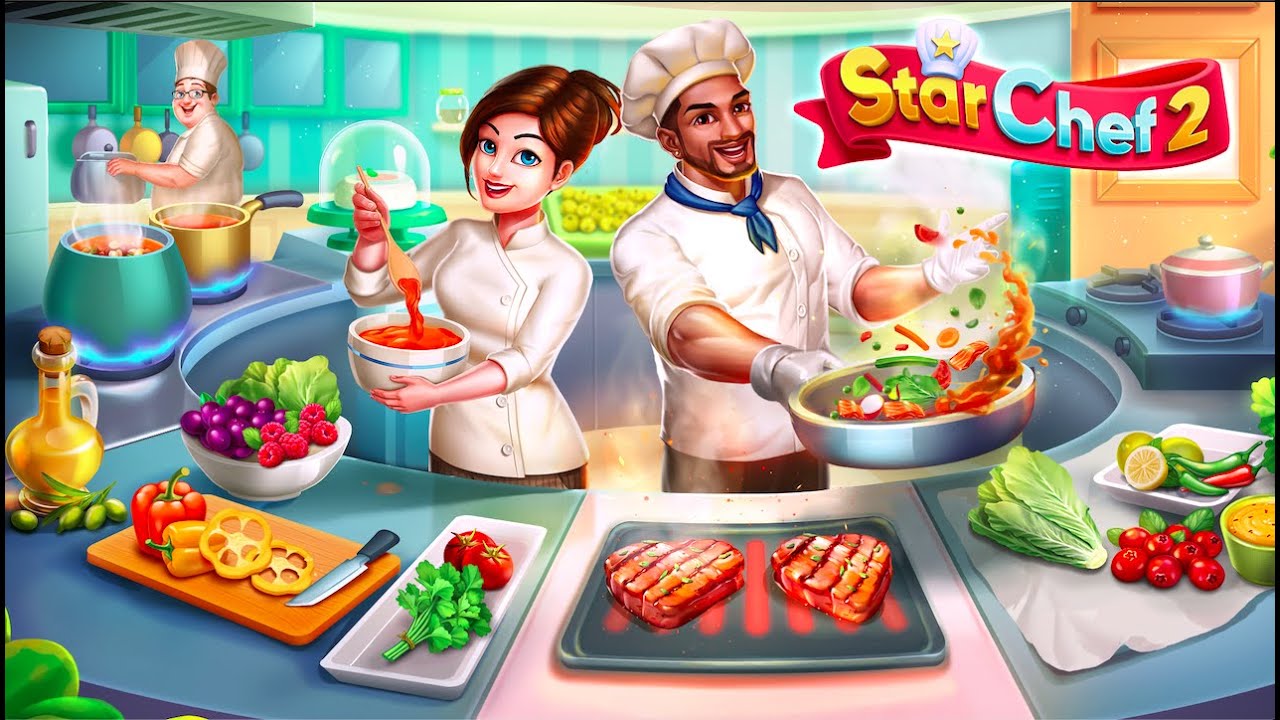
Cooking Game Launch Trailer

Click to watch on YouTube ↗

The Result

The game's most-viewed piece of content. 892K organic YouTube views — no paid amplification. Distributed via in-app surfacing, social cross-posting, and community seeding.

892K+
YouTube views — 100% organic
0
Agency involvement — fully in-house

Asset 02 — Celebrity Brand Commercial

User POV Campaign with a Reality TV Star

Instead of showcasing features, we put the camera in the hands of the user. Partnered with a local celebrity in the food niche — already trusted by the game's target audience — to show the game from a player's perspective. Distributed on Facebook, tapping into an existing food community rather than a pure gaming one.

Watch on Facebook ↗

Case Study 03 B2B SaaS Sales Enablement Partner GTM

Optima — AI Asset Management

Building the sales and marketing collateral for a white-labeled SaaS product entering the channel partner market through TD SYNNEX.

The Context

Optima is an AI-powered asset lifecycle management platform — 10+ Fortune 500 clients, 1M+ assets managed, deployed across 50M+ sq. ft. globally. Strong product, but the GTM shifted: instead of direct sales, we moved to a white-label channel model through TD SYNNEX, targeting VARs and MSPs.

That pivot required completely different messaging. The audience was no longer a technical buyer evaluating features — it was a channel sales partner evaluating a business opportunity: margins (30–40%), deal registration, partner protections, implementation speed, upsell potential.

I built the full sales enablement suite for that motion — messaging framework, brochures, and the first-call deck below.

My Role

Messaging Strategy Sales Collateral Partner GTM Content Design Pipeline Enablement

The Brief

Design a pipeline from outreach to demo — messaging, brochures, collateral, and the key first touchpoint: a first-call deck that gets a VAR or MSP from "what is this?" to "I'd like to see a demo" in a single conversation.

First Call Deck — Optima by Sclera Holdings

The first touchpoint in the partner sales funnel. Designed to be presented in a cold or warm intro call with a VAR or MSP — covering pain points, the product solution, the commercial model, and the proof of traction. Goal: move the conversation to a demo.

↗ Open PDF in new tab

The Outcome

The first-call deck became the anchor asset for Sclera's partner onboarding conversations through TD SYNNEX. Paired with product brochures, pricing sheets, and demo scripts, it formed a complete channel sales enablement suite that allowed the distribution team to run conversations at scale without relying on the product team to be in every call.

The JLL Technologies case study embedded in the deck — 100,000 assets managed, 22 global offices, 50K hours saved annually — provided the proof of enterprise-grade deployment that skeptical channel partners needed to move forward.

1M+
Assets managed across portfolio
10+
Fortune 500 end-clients deployed
$2M+
Revenue via JLL partnership